Last updated: October 2026
Georgia winters are mostly mild, and then one week in January isn’t. That’s the week a pipe splits in an exterior wall or the furnace quits at 2 AM. An afternoon of prep now keeps you out of that story. Here’s the checklist we’d want every homeowner to run before the first hard freeze.
Protect Your Pipes
Water expands when it freezes, and that’s how pipes crack. You usually don’t find out until it thaws and starts leaking.
Outside:
- Disconnect and drain garden hoses.
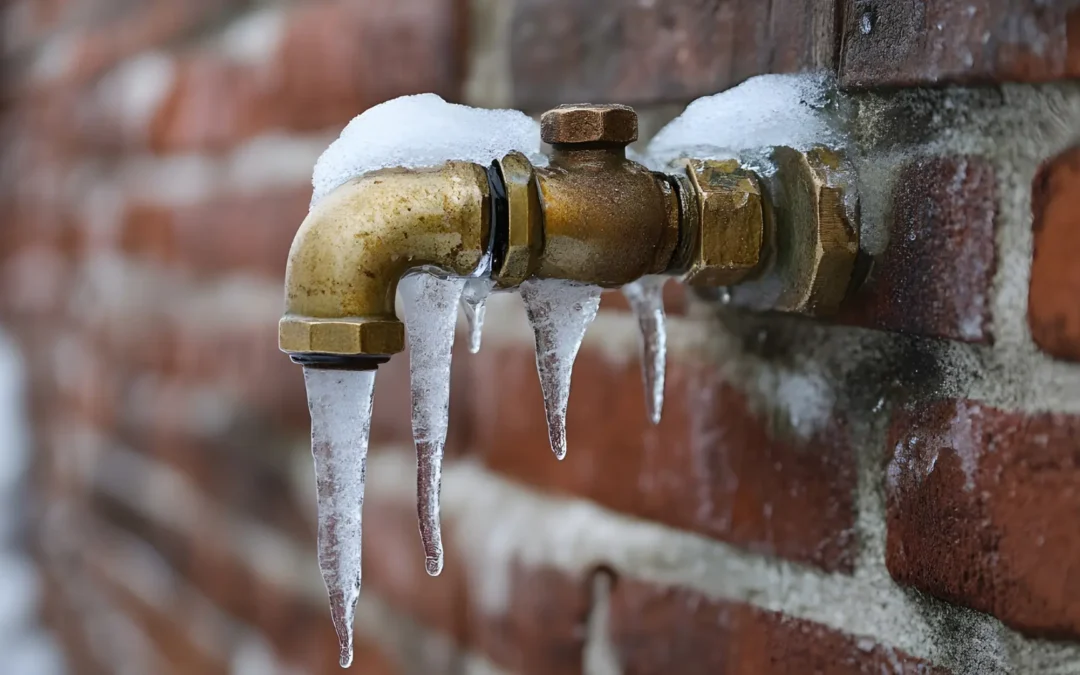
- Shut off and drain outdoor spigots, then cover them with an insulated faucet cover.
- Shut off and drain the irrigation system. Most buried lines sit below the shallow layer of Georgia ground that freezes, but backflow valves and sprinkler heads sit at the surface and can crack.
- Wrap any exposed pipes with foam pipe insulation.
Inside, during a hard freeze:
- Open sink cabinet doors on exterior walls so warm air reaches the pipes.
- Let a kitchen or bathroom faucet drip slowly on each floor. Moving water doesn’t freeze as fast as still water.
Heading out of town? Georgia Power suggests setting the thermostat to 60 degrees, not off. Your house stays warm enough to protect the pipes, and the system doesn’t have to work as hard to reheat when you get home.
Get Your Heat Ready
- Book a furnace or heat pump service now. When the first cold snap hits, everyone calls at once and parts get slow.
- Change the air filter. UGA Extension recommends a MERV rating of 8 or higher. Higher-rated filters catch more but need changing more often.
- Find your number. Georgia Power recommends 68 degrees as the sweet spot between comfort and cost.
Seal the Drafts
Caulk cracks around windows and add weatherstripping and door sweeps to exterior doors. You’ll keep the warm air in and the mice, squirrels, and stink bugs out, since they’re all shopping for a warm place to spend the winter too.
Heat Your Home Safely
Heating is one of the leading causes of home fires, and they peak in winter. The U.S. Fire Administration’s basics:
- Keep anything that can burn at least 3 feet from space heaters, fireplaces, and wood stoves.
- Plug space heaters directly into the wall, never into an extension cord or power strip, and turn them off when you leave the room or go to bed.
- Have your chimney and heating equipment inspected and cleaned by a professional every year.
- Never use the oven to heat your home.
Test your smoke alarms, and make sure you have a working carbon monoxide detector on every level of the house. If you use a generator during an outage, run it outdoors only, at least 20 feet from windows, doors, and the garage.
Lake Home Extras
- Drain and shut off water lines and spigots that run to the dock, just like any other outdoor plumbing.
- Talk to your marina or boat mechanic about winterizing the boat before temperatures drop.
- Keep an eye on the lake level through the winter. Our Lake Lanier Water Levels post explains what full pool and winter drawdown mean for your dock.
Stock Up Before the Ice Storm
North Georgia ice storms can knock out power for days. Build an emergency stash a little at a time: add some canned food, water, or batteries to the cart each grocery run. Flashlights, blankets, medications, and phone chargers round it out.
Stay warm out there. If you ever need a recommendation for a trusted HVAC tech, plumber, or other vendor, call us. We’ve got a list. 678.846.2373